Handmade Highlights Milan 2026
The hand is celebrated, the supply chain is not
At Milan Design Week, the human hand is having a moment. In a world of AI and fast furniture, craft feels radical. Designers and brands are embracing artisanal techniques. Researchers are developing bio-based materials. The energy is real. But walking through Milan, one question kept surfacing: how much of this actually reaches the market?
Spectacle over supply chain
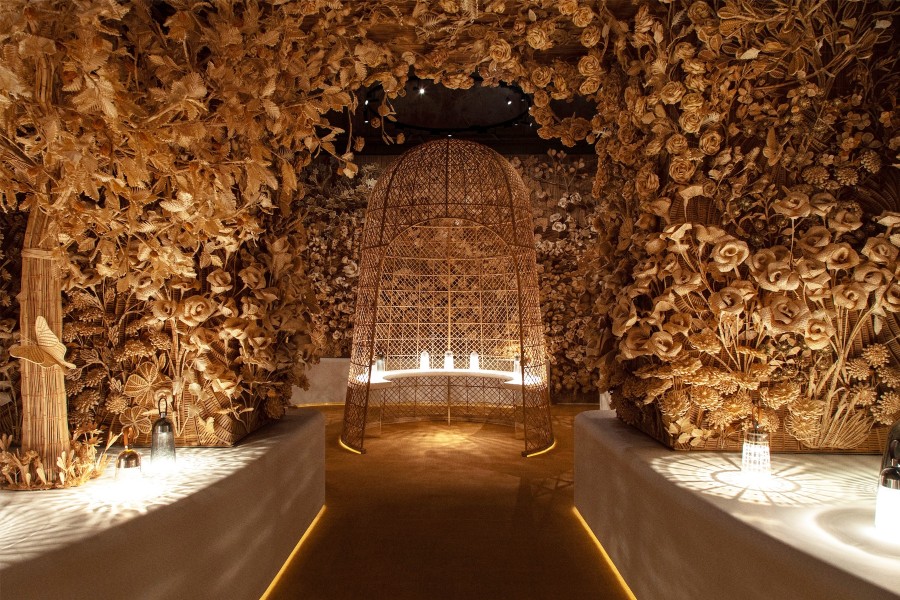
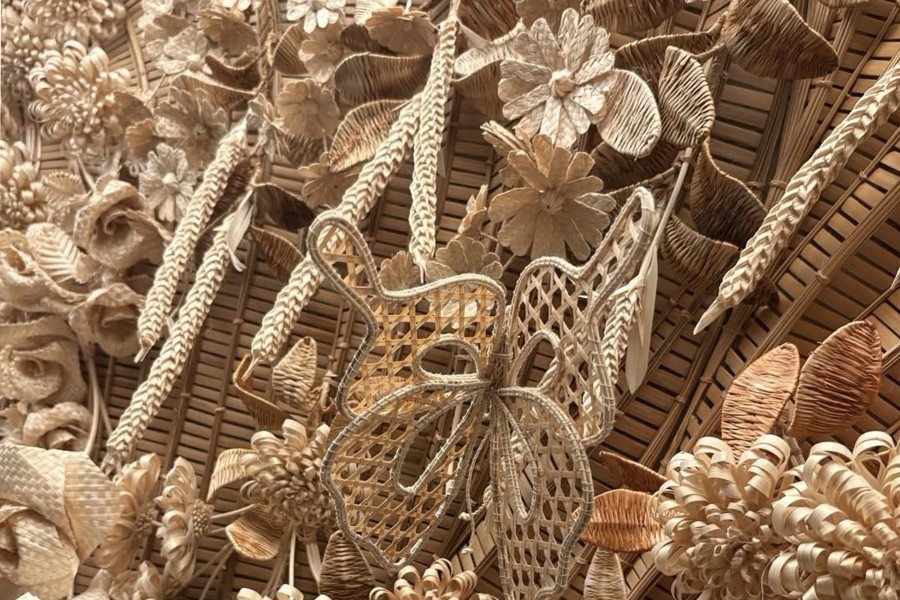
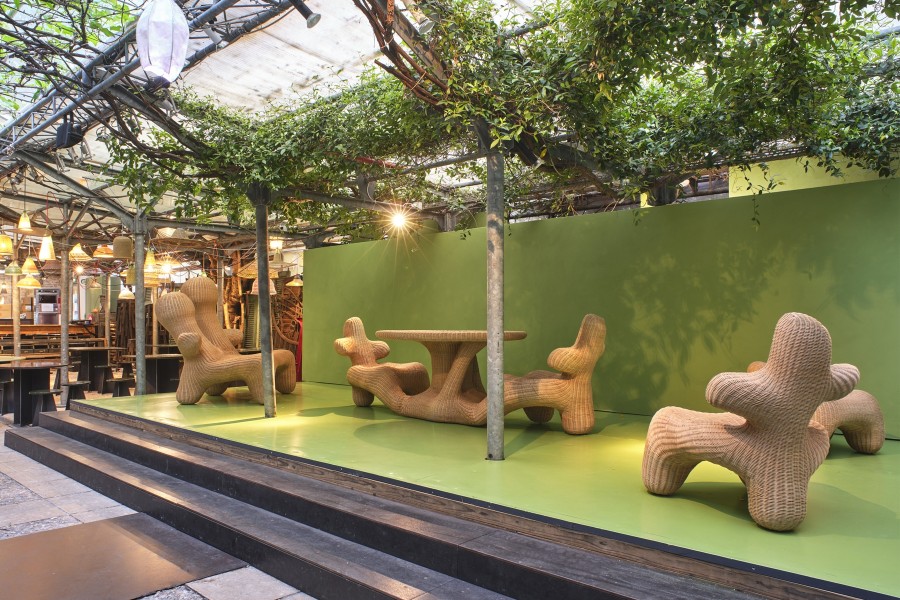
Brands build breathtaking displays in Milan. Dior’s crafted bamboo showcase, developed with Thai studio Korakot was a highlight - sculptural, considered, stunning. The same studio created the shop interior for Lao brand Her Works in Luang Prabang. Soie de Lune, also from Laos, hand weaves exquisite fabrics for high-end fashion houses. For their shops, not their collections. Craft is good enough to set the stage. Is it good enough to be the product?
This is the tension at the heart of Milan. Craft is celebrated as atmosphere. As backdrop. As proof of brand values. But making it to the actual product range - to the purchase order, to the shelf - is a different story.
Beautiful, collectable, out of reach
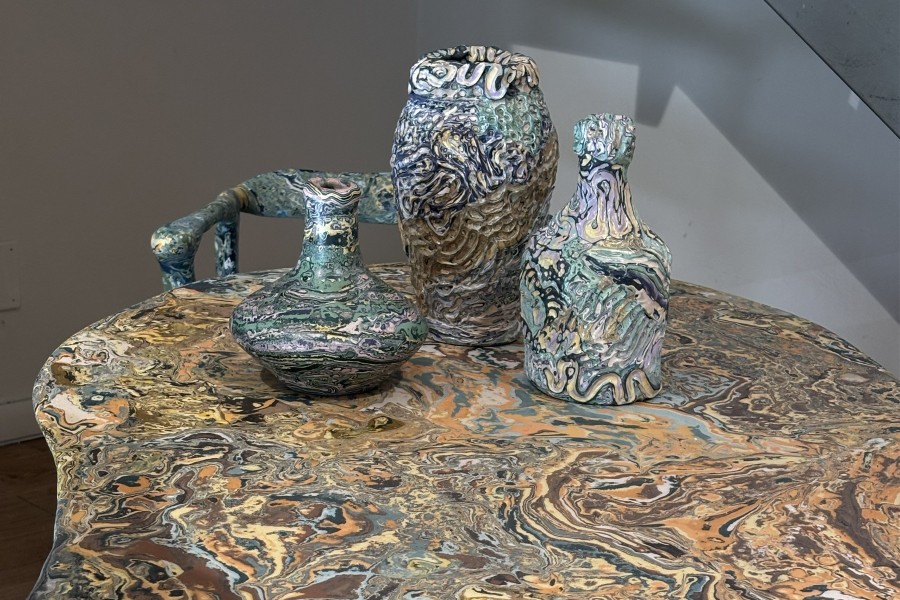
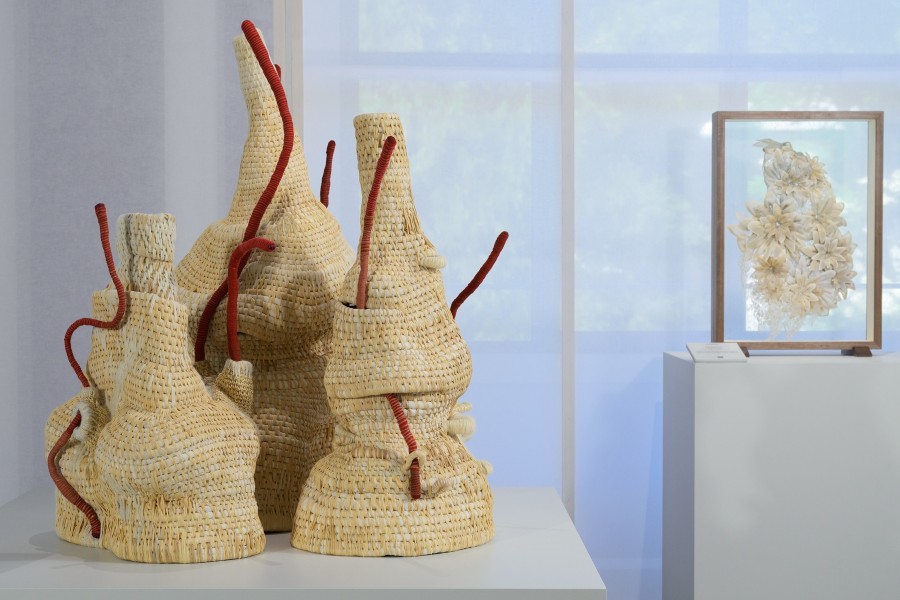
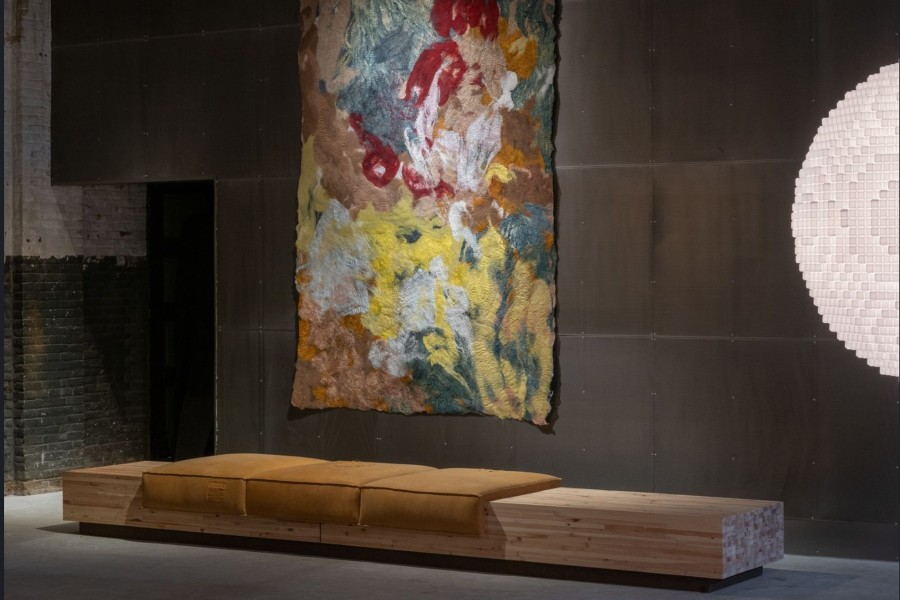
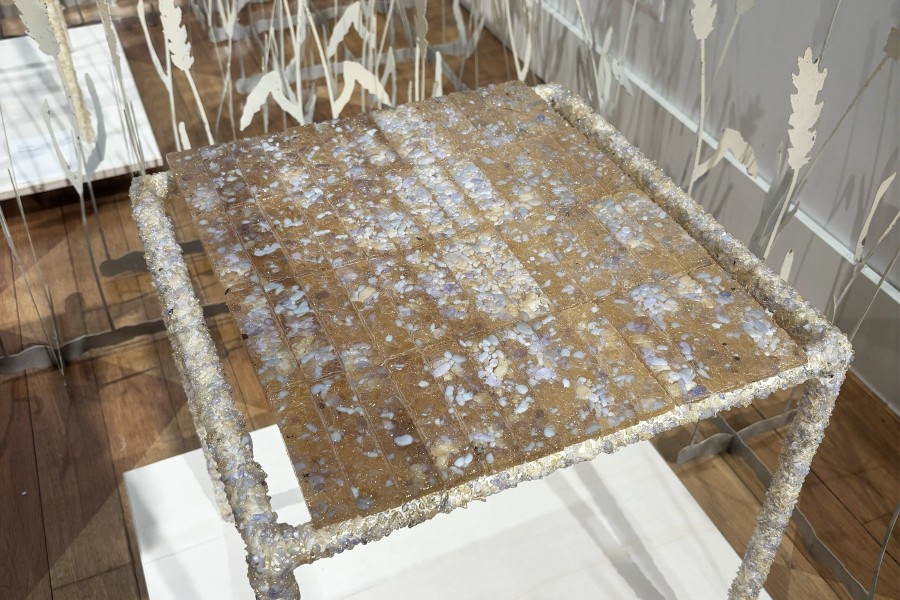
At Home Faber, the craftsmanship was extraordinary. The best techniques, the finest materials, such as the textile sculptures by Maria Prata. Magnificent work. But it is collectable design for the few, not considered design for the many who would genuinely value it. At Rossana Orlandi, the same: brilliant minds, outstanding concepts, such as the furniture pieces by Paul Heijnen and Atelier L’Inconnu. Inspiring to visit. Harder to source.
I understand the pull of the exclusive end of the market. There are real opportunities for artisans in supplying to decorators, boutique hotels, private residences. Limited editions have their place. But is that market big enough to sustain a maker’s business? Will the best of handmade remain visible only to the one percent?
Is Milan a trade fair or a theatre?
There has been growing criticism that Milan is becoming a brand circus - more PR event than professional platform. But hasn’t it always leaned that way? And aren’t all trade fairs evolving into spaces for inspiration and networking rather than actual trading? The real question isn’t what Milan has become. It’s where the business happens after the lights go down. Where is the trading floor for craft professionals and manufacturers?
Where craft and commerce meet
Luckily, there are makers and brands showing that this doesn’t have to be a contradiction. In the sustainable design space especially, I found examples of craft that is both beautiful and commercially grounded. Some expamples.
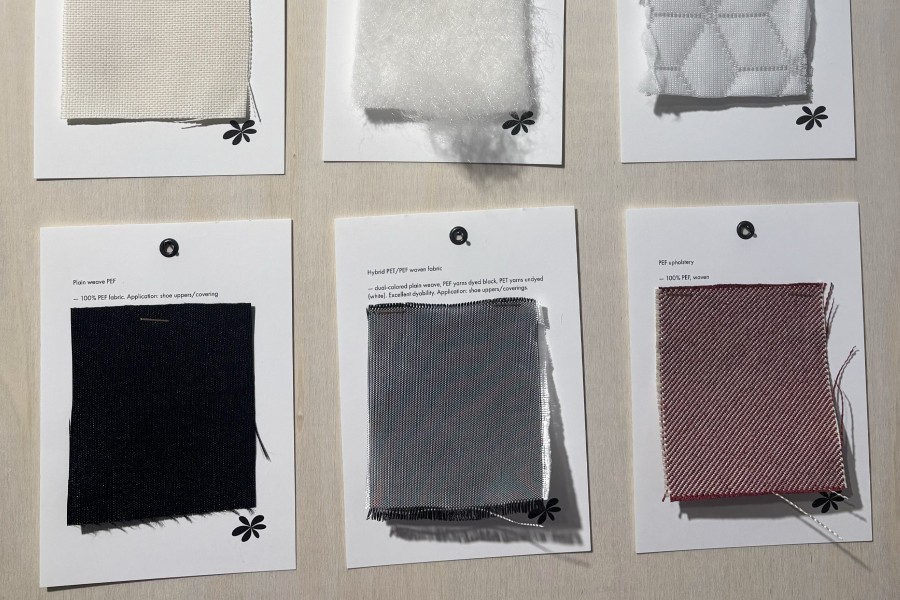
Releaf by Avantium makes plant-based plastics - in Milan they showed experimental pieces in their PEF material alongside commercial fabrics already being used in furniture, by Kvadrat among others. Both the showpiece and the supply chain, in the same presentation.
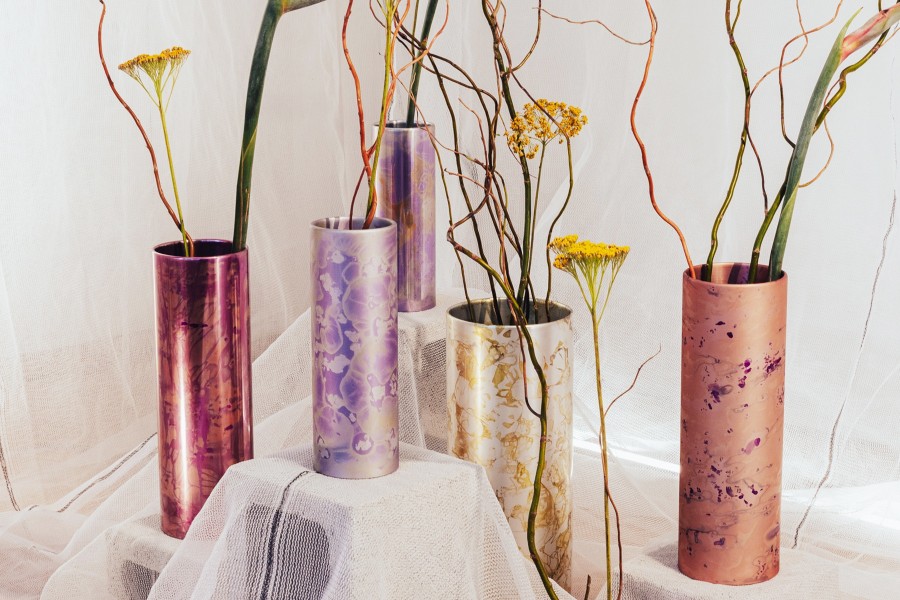
At the Roots Exhibition, LoopLoop showed anodised aluminium naturally dyed and applied in vases and lamps, while also presenting more exclusive work at Alcova. A studio operating confidently at both ends of the market.
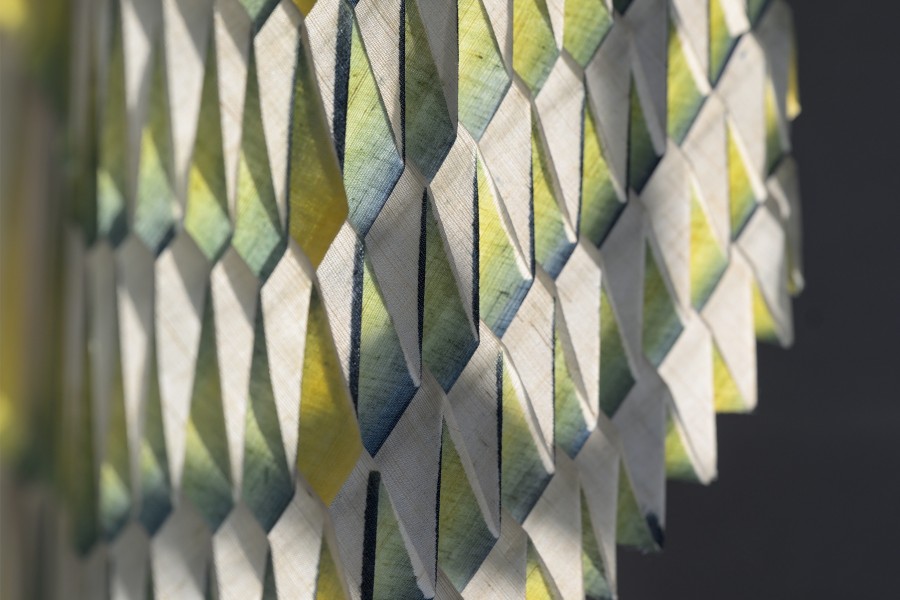
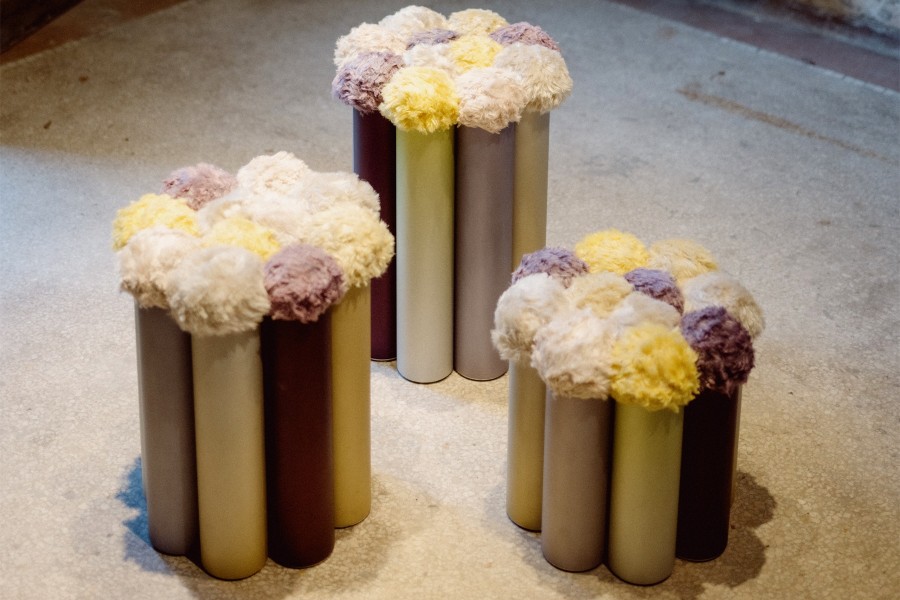
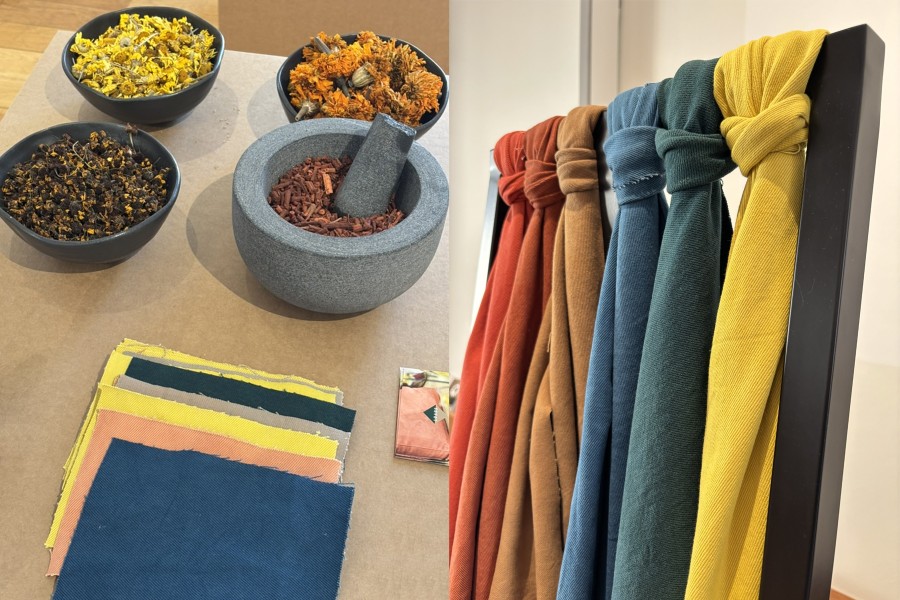
And Claudy Jongstra, the Dutch textile artist famous for her extraordinary wool wall hangings, presented her Loads Collection: naturally dyed textiles built on deep knowledge of growing and processing natural dye ingredients. Craft as research, as practice, as product.
These are the examples worth studying. Not because they compromise on quality, they don’t. But because they understand that craft needs a community to survive: committed designers and makers, buyers willing to look beyond the glossy picture, and brands ready to put the hand into the actual product, not just the window display. Milan proves craft has a future. But it needs partners to build the infrastructure for it.
Ready to partner with a craft manufacturer?