A new model for co-creation with artisan communities
The designer as the missing link
There is so much traditional design knowledge in the world that European buyers and designers barely touch. Not because it isn't beautiful, or relevant, or commercially interesting. But because there is no established way to work with artisans in a fair way. That is what I am setting out to change.
The commercial opportunity
When brands source from artisan communities in emerging countries, the process usually follows a familiar pattern. A buyer has a brief. A designer adapts local techniques to fit it. Products are made, margins are set, and the community's own design language, the weaving structures, the patterns that carry cultural meaning built up over generations, stays in the background.
That model has served the industry for decades. But it is starting to crack. Not just ethically, but commercially.
What I keep seeing, after years of working with artisan producers in Asia, Africa, and Latin America, is how much creative value gets left on the table. Communities hold design traditions that are genuinely distinctive, not as raw material to be processed, but as a creative language in their own right. The question is how to work with that language in a way that is genuinely collaborative, rather than extractive.
The designer as the missing link
Sustainable sourcing has largely been framed as a supply chain problem: trace your materials, audit your suppliers, fill in the forms. The Digital Product Passport, coming for textile businesses from 2027, will formalise this further. But the data that regulation requires you to collect - who made it, where, how, from what - is also the foundation of the most compelling brand story you can tell. The question is whether your product actually has that story to tell. And that depends, more than anything else, on how the design process works.
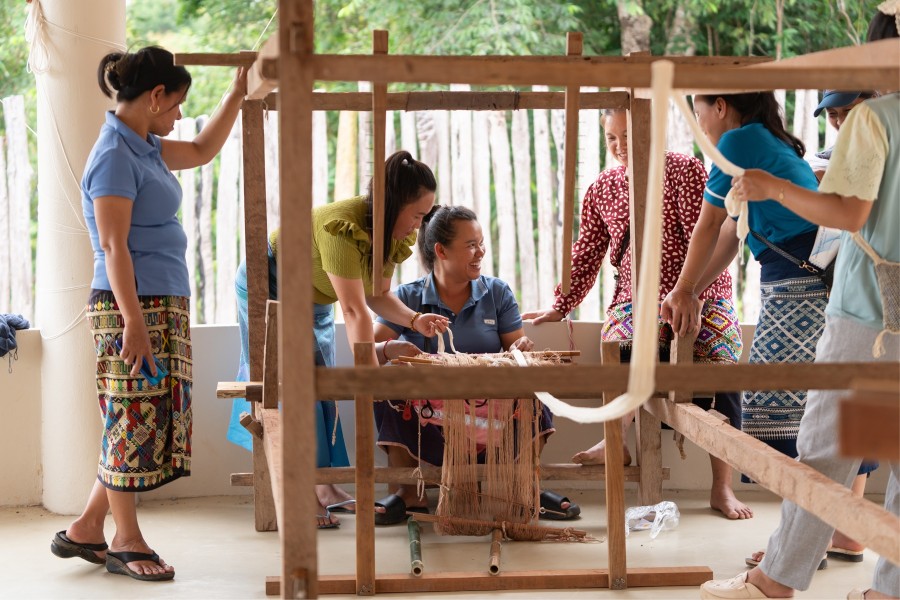
A designer who collaborates with an artisan community as a genuine partner, starting from their skills, their visual vocabulary, their way of making, produces something that no brief-to-supplier model can replicate. It is distinctive by definition, because it comes from a specific location and a specific tradition. It is traceable by nature. And it is the kind of story that a Digital Product Passport can carry to a consumer in a meaningful way. This is about designers redirecting their creativity. The skill required is real: understanding a traditional design language well enough to find where it connects with contemporary market needs.
Why now
The market is shifting in ways that make co-creation more relevant. European buyers are under growing regulatory pressure to demonstrate authentic, traceable supply chains. Consumers are increasingly sceptical of sustainability claims that aren't backed by a real maker story. And the brands that will stand out in the next few years are those with products that are unique and meaningful.
At the same time, there is a growing group of artisan communities that have invested in documenting and protecting their own design heritage. They are ready for a different kind of commercial relationship. What has been missing is the methodology, a tested, replicable way of making that relationship work for everyone involved. That is exactly what I am working on.
A project I am developing
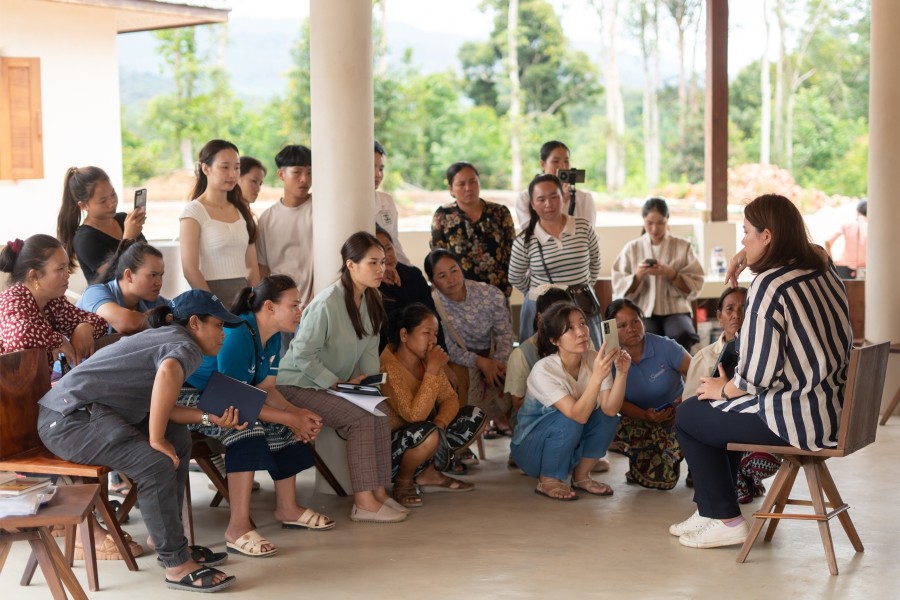
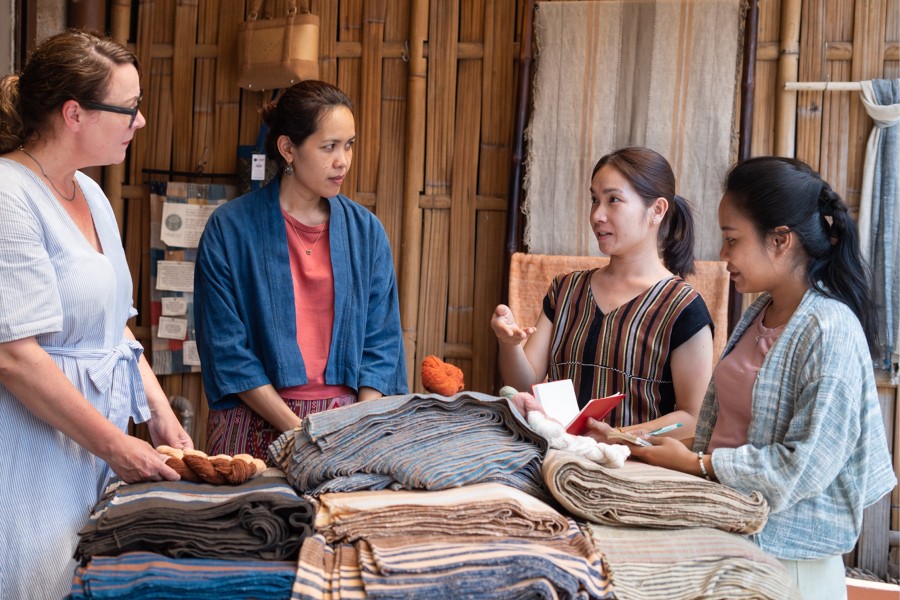
I am currently developing a co-creation project with an artisan exporter in an emerging country, in partnership with a cultural organisation with deep roots in that community. The project will bring together a European designer and a European buyer or brand, working with the community and their design heritage as the creative foundation. Everything, the process, the legal framework, the business model, will be documented. The co-created product ranges will be promoted in the market, to prove the model works.
For this project, I am looking for two collaborators.
- A designer based in Europe, ideally the Netherlands, with experience in home textiles and/or accessories, and a genuine curiosity about working from a craft tradition that is not their own. Someone who sees that as creative opportunity, and is willing to develop products in a team of artisans, experts and a commercial brand.
- An importer or brand with an established European market in home textiles and/or accessories, a commitment to sustainable sourcing, and a need for a product story that is genuinely differentiated.
If either of these sounds like you - or someone you know - I would love to hear from you. This is early stage, and that is intentional. The right collaborators will help shape what this becomes.
Interested?