Sourcing from craft suppliers in Bangladesh
A go-to for sustainable textiles and natural fibres
Bangladesh has long been recognised as a powerhouse of textile production, but for European buyers, the opportunity extends well beyond large-scale garment manufacturing. The country offers a rich and diverse range of handmade and naturally sourced products - from woven baskets and embroidered cushion covers to indigo-dyed throws, rugs and bags - making it a wonderful source for home textiles collections at every price point. Craft businesses and exporters work to compliance standards that meet European market access requirements, including BSCI auditing and AZO-free dye guarantees, with growing numbers pursuing GOTS certification for organic cotton. Whether you are an importer building a new sustainable range or a retailer looking to diversify your supply base, Bangladesh offers both the materials and the production capacity to deliver.
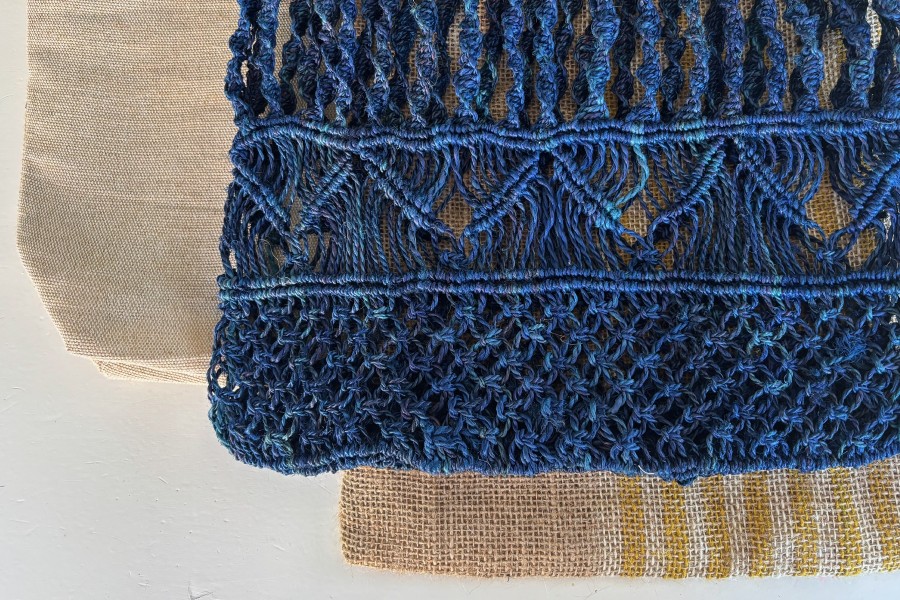
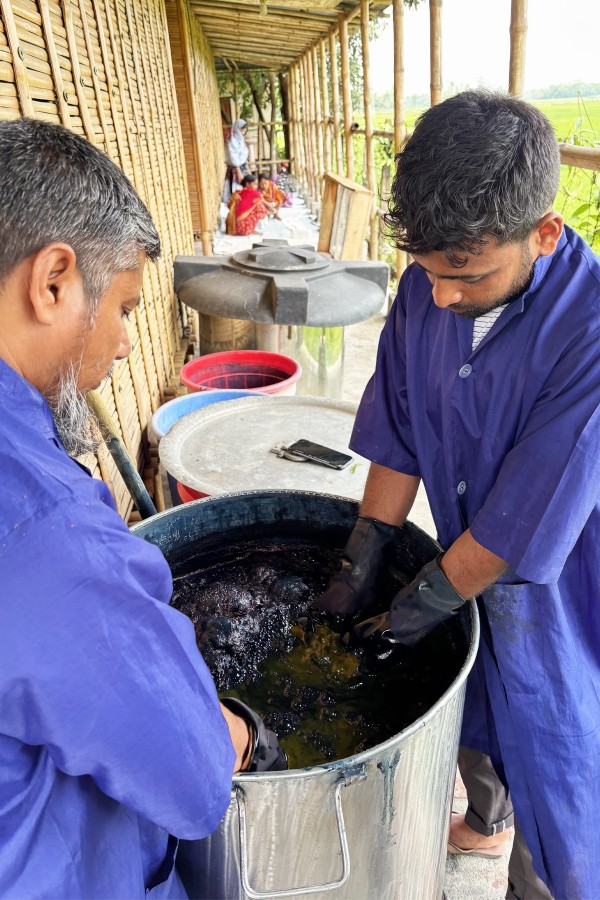
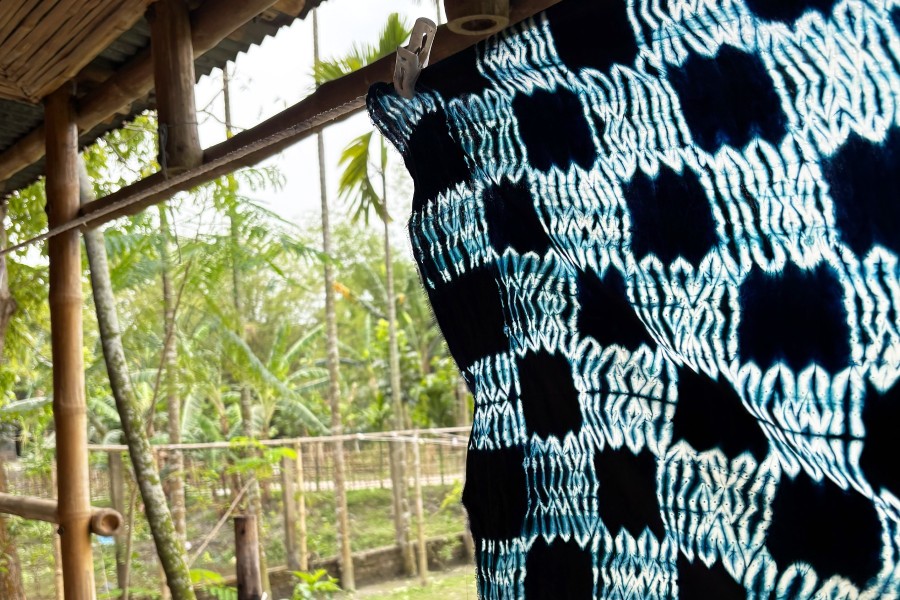
Indigo is grown by farmers and processed locally. It is a magical natural dye, that develops its stunning blue colour through fermentation. Yarn and textiles can be dyed in a cold dye bath. Dyeing takes place in small workshops by hand, and sometimes in larger quantities by machine.
Craft businesses in Bangladesh make use of many dyeing techniques to create pattern, such as shibori or tie-dye. Batik is used to create pattern, too, with wax either applied by block or by hand with a brush. Block printing is used for wonderful patterns, while screen printing is also widely practiced.
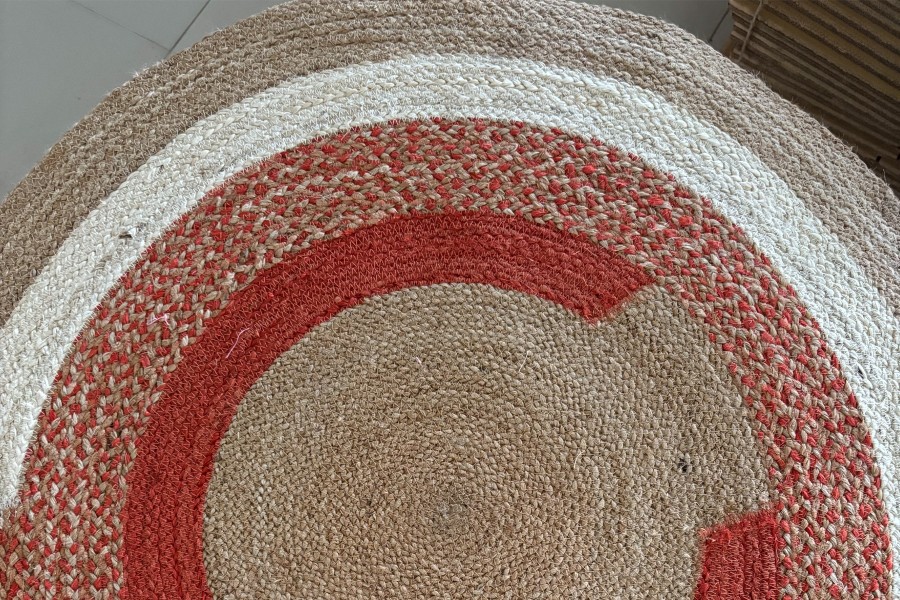
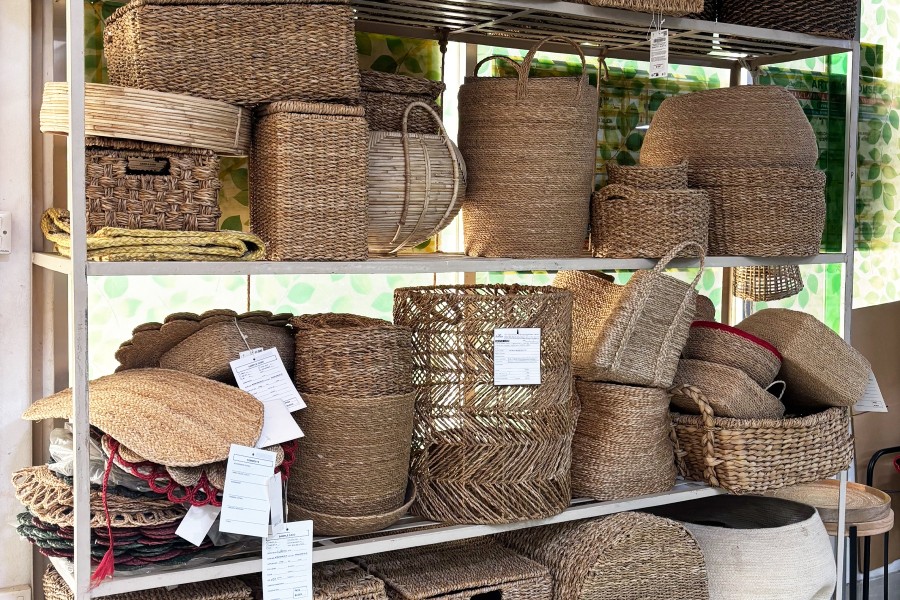
Bangladesh is a land of water, and because of its many waterways and climate, grows a large variety of natural fibres. Jute is unique to Bangladesh (and eastern India), and artisans and manufacturers make good use of this golden fibre. It is used for basketry weaving, the coil-and-stitch technique, for crochet and macrame.
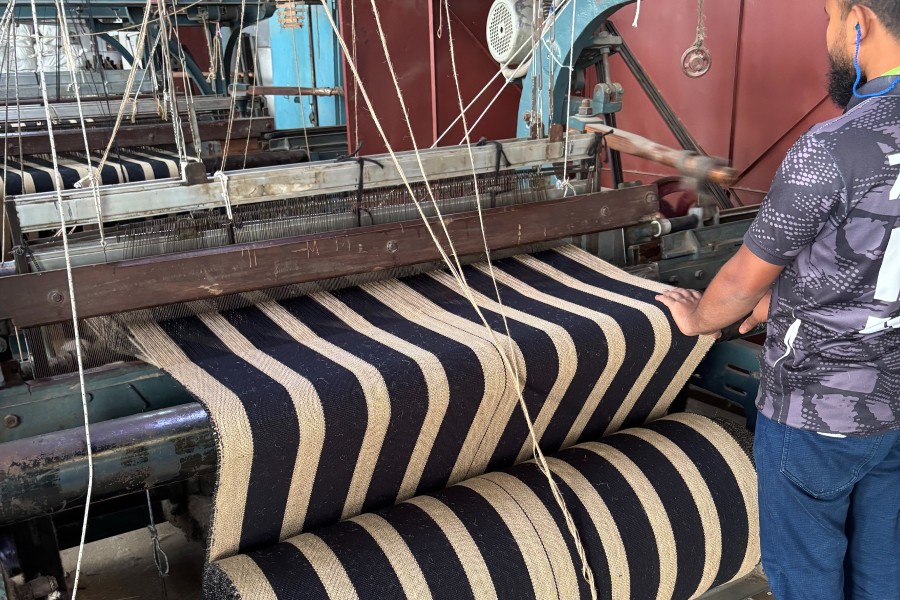
Jute can also be used for the production of textiles. A 100% jute woven material is sturdy and rough, suitable for storage bags or baskets, while a jute/cotton blend looks like canvas and is used for more sophisticated bags and accessories. Jute spinners are also developing finer yarns, suitable for denim and lighter home textiles.
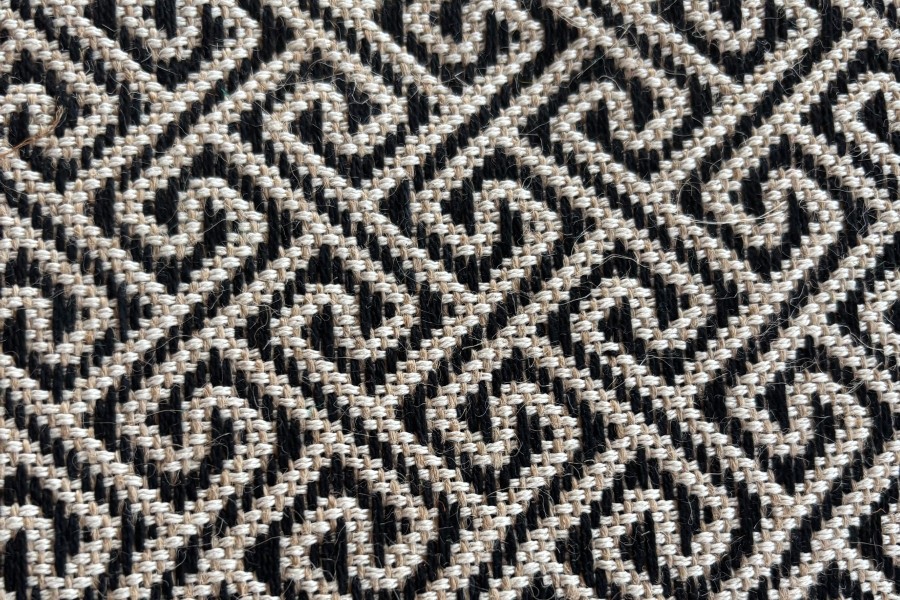
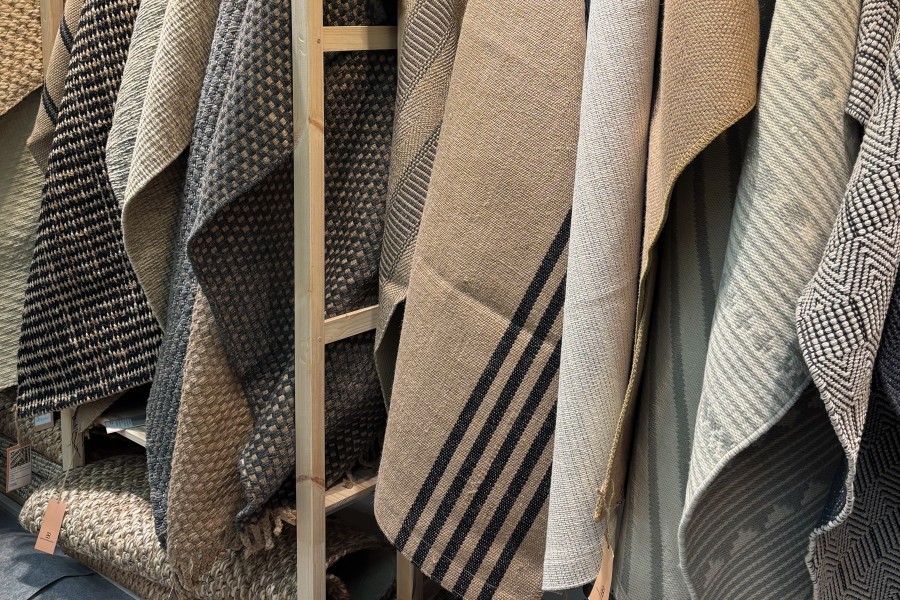
Cotton is widely available, also GOTS certified. There is handwoven khadi made with hand spun yarn, as well as finer cotton fabrics made on a handloom or powerloom. Jute and scrap fabrics are often woven into rugs. These scraps are cotton cut-offs from the large garment manufacturers in the country. This pre-consumer waste is carefully selected, tested and documented to ensure it meets European market access requirements (such as guaranteeing AZO free dyes have been used).
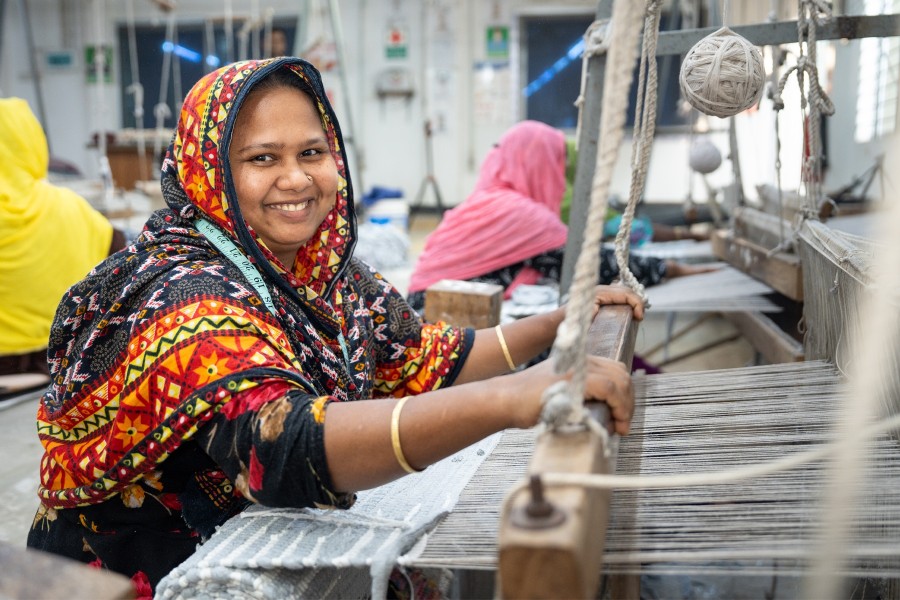
Bangladesh excels in handwork, and the craft sector provides much needed employment for rural artisans, particularly women. They possess hand weaving skills, and practice crochet and macrame. These handmade products are available in large quantities, as craft businesses have built production centres in rural areas, such as Rangpur.
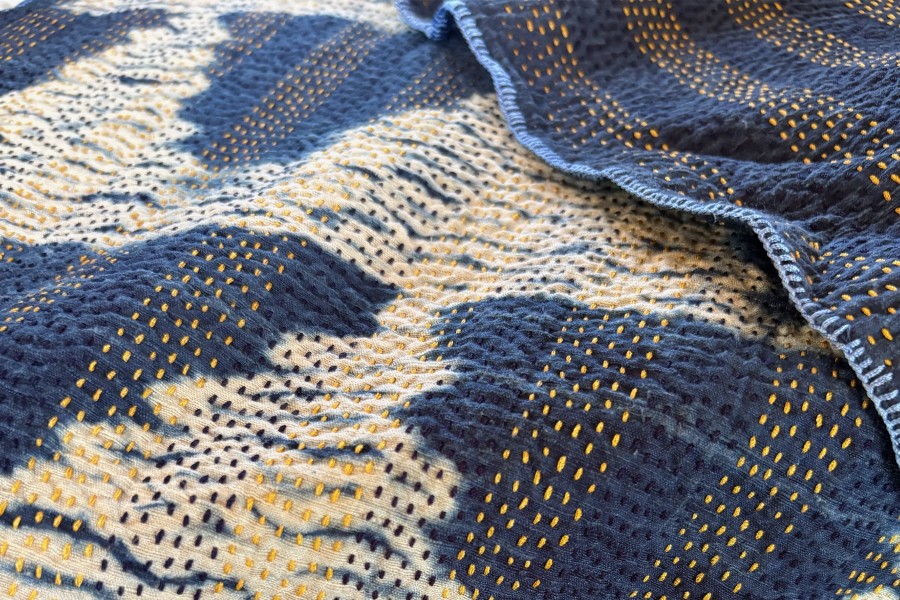
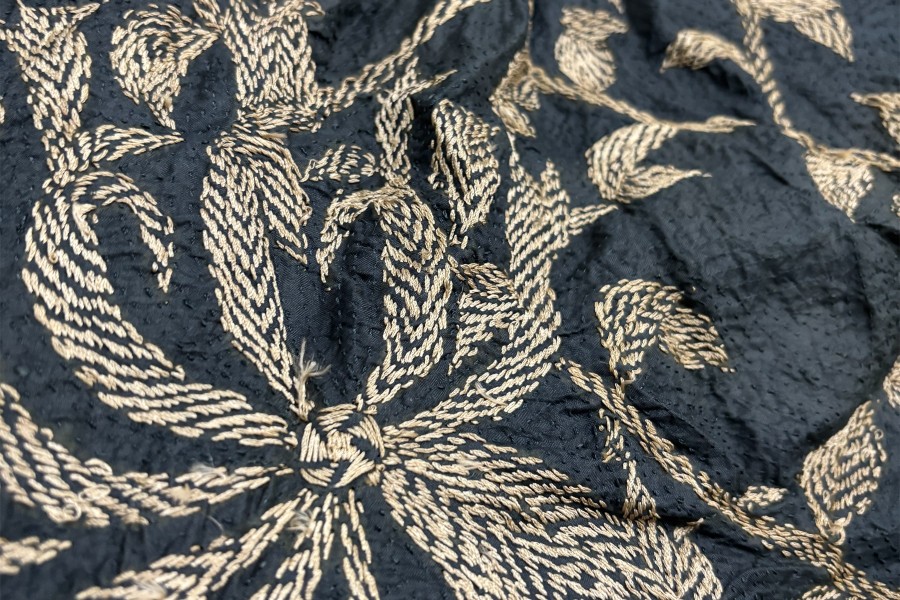
Handwork includes kantha embroidery, quilting and patchworking. Bangladesh has a century old and thriving re-purposing industry. Used sarees and other post-consumer textiles are transformed into blankets, cushion covers and shawls. Several thin layers of cotton fabric are stitched together and embellished. Scrap post-consumer fabrics are also used for coiling, knitting and weaving.
For European buyers, sourcing from Bangladesh means access to:
- Exporters offering handmade products in volume at competitive FOB prices
- Craft businesses offering smaller batches with reasonable MOQs
- Companies that meet compliance standards and/or are certified (many are BSCI)
- Opportunities for product development, tailor-made products for your brand
- A wealth of renewable, natural and local materials
- Opportunities to use recycled yarn or fabric in your product: pre- and post-consumer waste is available
For brands, retailers and importers interested in sourcing from Bangladesh, we are organising a webinar ‘Opportunities Home Textiles Bangladesh’ on May 19, 2026. Info below.
Ready to collaborate? Any questions?
Craftscurator is implementing a programme for CBI on sustainable Home Textiles in Bangladesh. Read more about it in 'Building Better Textile Futures'


Webinar Opportunities Home Textiles and Decoration Bangladesh
November 24, 2026 10.00 - 10.45 CET
For importers, retailers and brands, Irene is organising a webinar in which you will discover everything about:
- the product categories, materials, production techniques offered by suppliers from Bangladesh
- the sustainability improvements and certifications these manufacturers are working towards
- the opportunities for co-creation with these exporters
- what a partnership can offer you as an importer
- the CBI Home Textiles programme, and how we can support you
Join us free of charge and with no obligation — and bring your questions!