Building better textile futures
How Bangladesh is redefining sustainable home textiles manufacturing
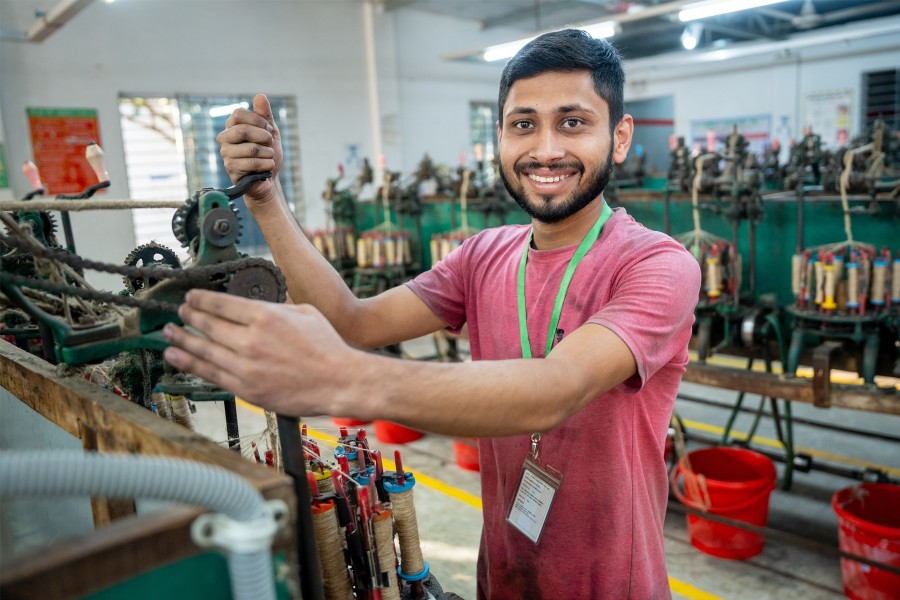
The textile industry is at a turning point. On one side: small-scale production using craft techniques refined over centuries and materials sourced from local landscapes. On the other side: textile production on an industrial scale, with growing demands for transparency, sustainability, and social responsibility. In Bangladesh, these paths are coming together. Last November, I travelled there to see this shift first-hand and to understand how brands can join in meaningfully - not as observers, but as partners shaping what happens next.
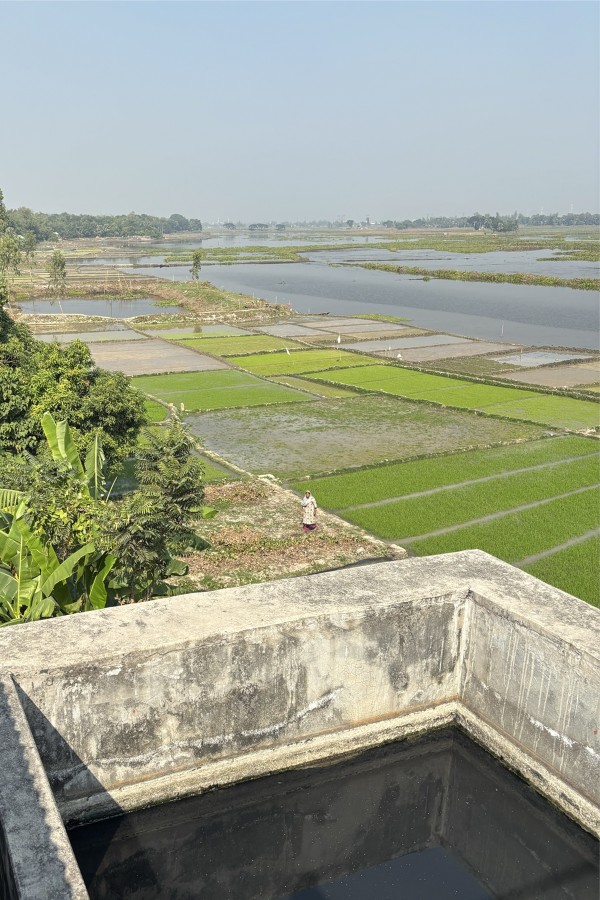
A landscape rich in material and skill
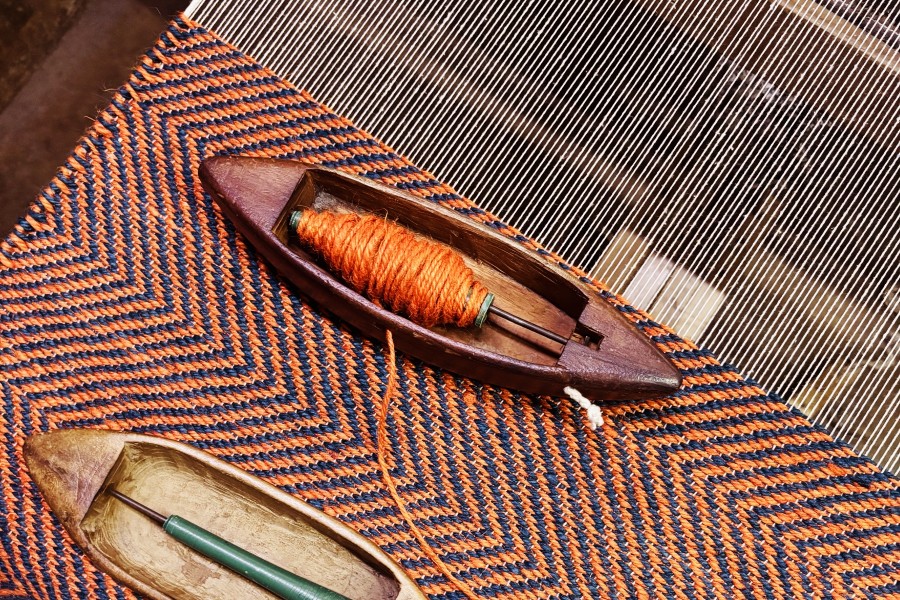
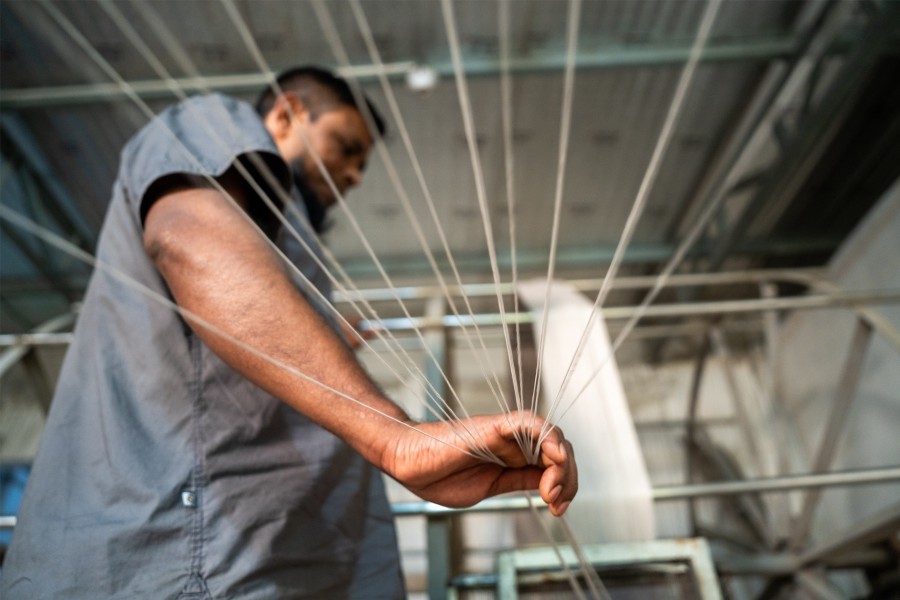
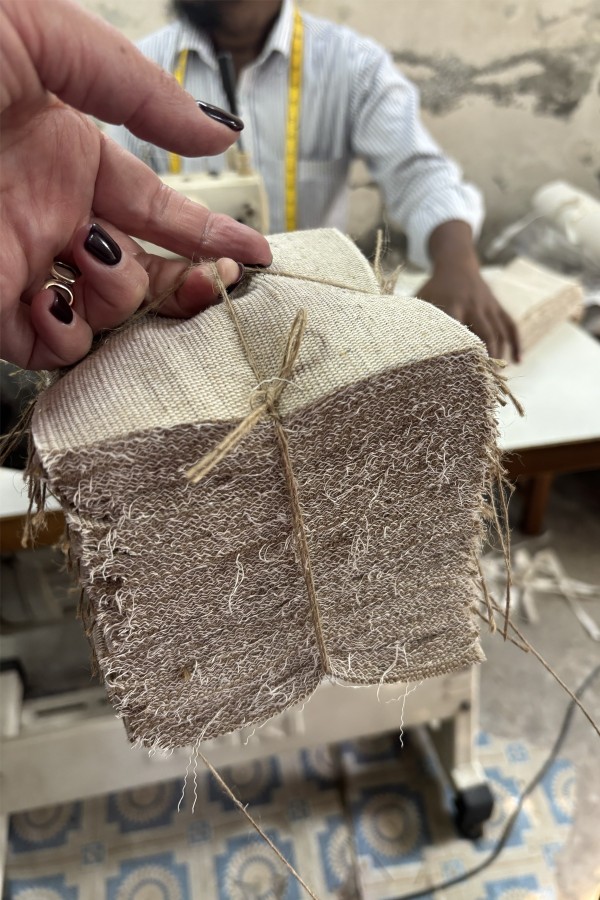
Bangladesh offers something increasingly rare in global sourcing: depth. The textile heritage runs deep here, from hand-woven cotton and jute to the distinctive rush and grass fibres that define regional craft - waterhyacinth, hogla (a grass), murta (a rush). Many of these natural fibres are blended and spun into yarn for textile production. These materials, combined with the country's established fashion manufacturing infrastructure, create an unusual advantage: access to both virgin materials and reclaimed materials, including pre- and post-consumer waste streams ready for use in circular production.
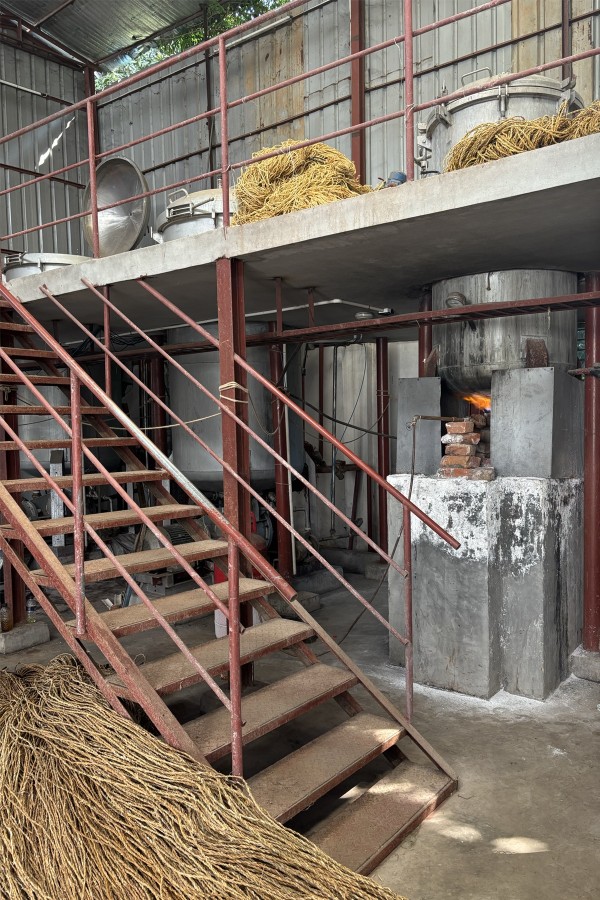
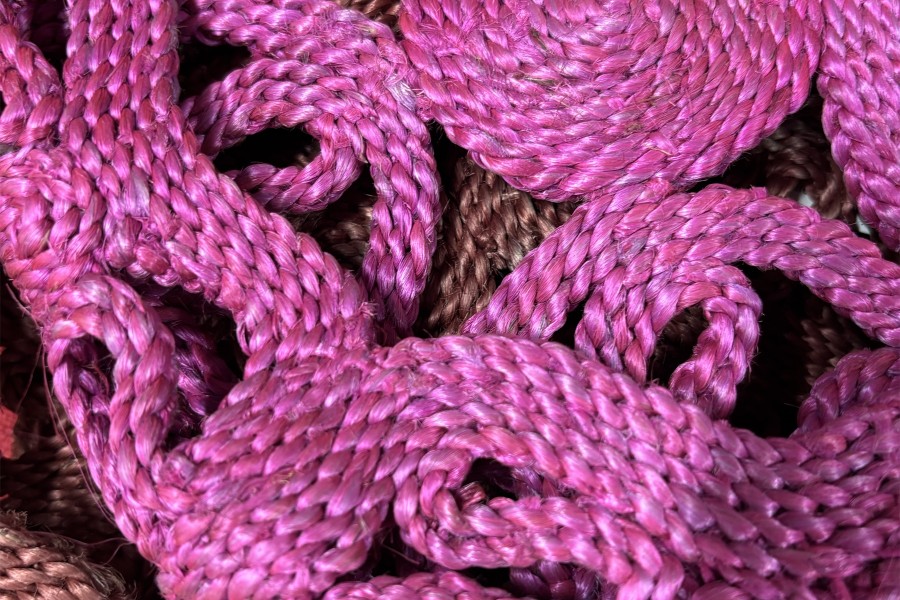
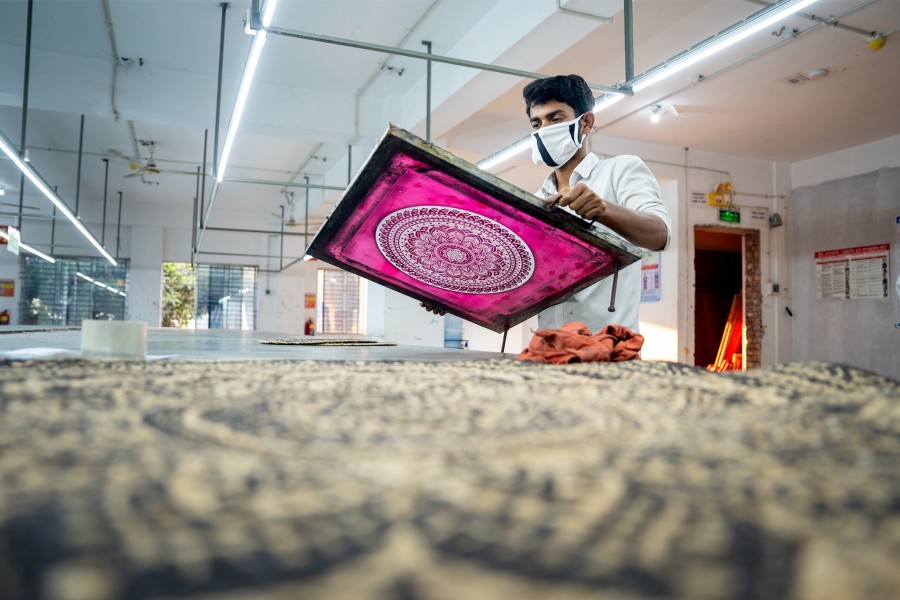
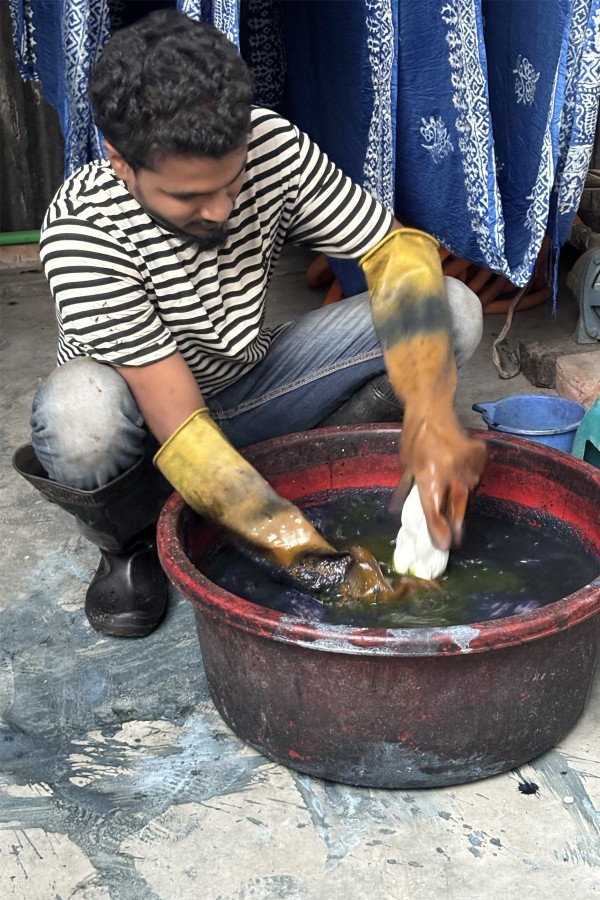
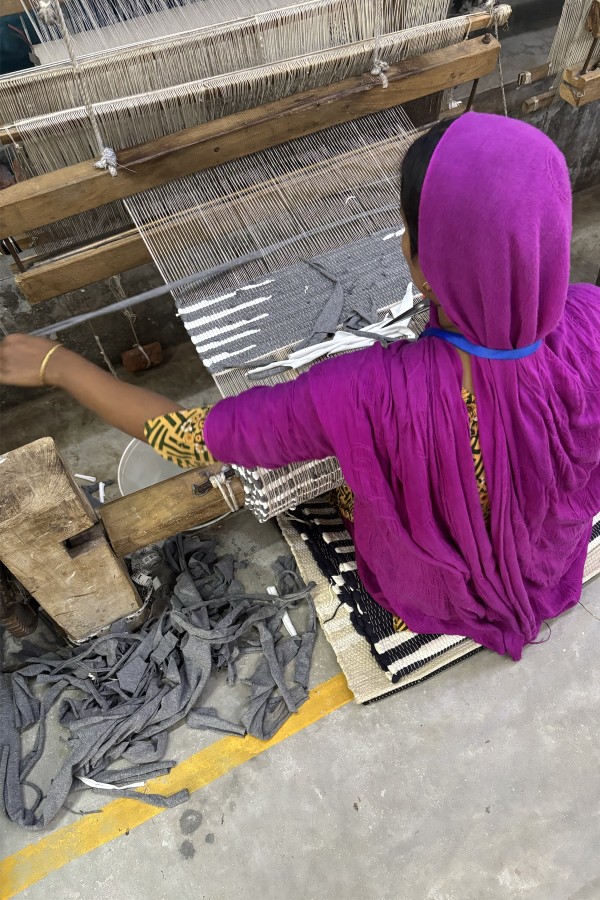
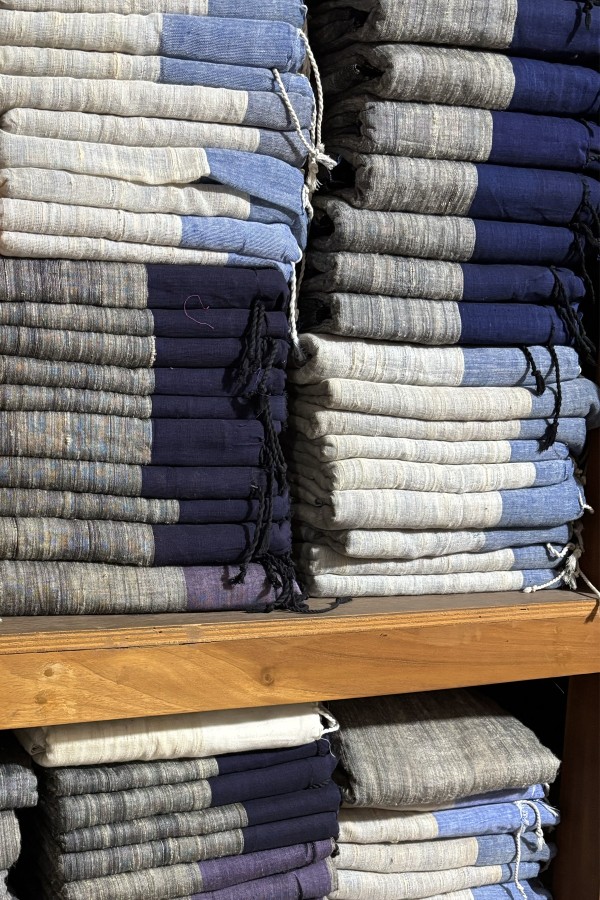
The craft techniques are just as varied. Hand-weaving, embroidery, quilting, stitching, screen-printing - these are working skills embedded in communities across the country. Dyeing processes range from industrial-scale operations using synthetic dyes to small, hand-dyed batches where makers specialise in shibori, batik, or ikat. Bangladesh also has a rich palette of natural dye shades. Indigo stands out particularly: locally grown, culturally significant, and central to the country’s textile identity.
The product range reflects this variety. Cushion covers, throws, bed, table and kitchen textiles, rugs, mats, and basketry - all commercially attractive, aesthetically on-point, and produced at price points that work for the European market.
Building a more sustainable industry
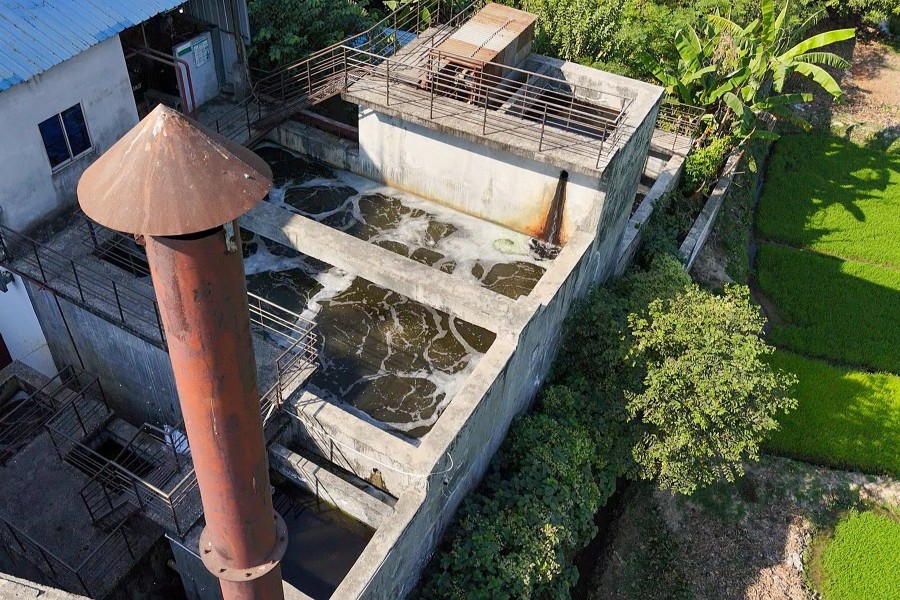
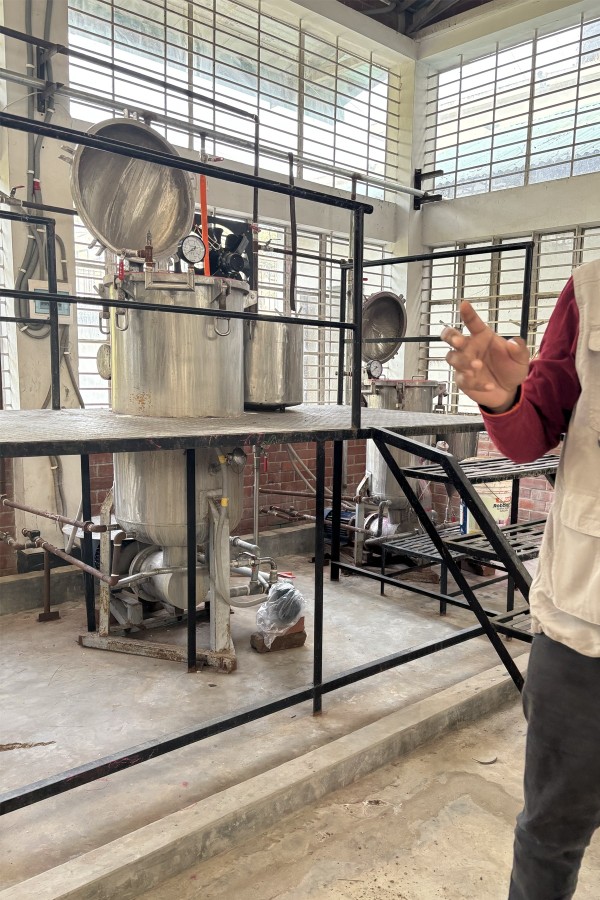
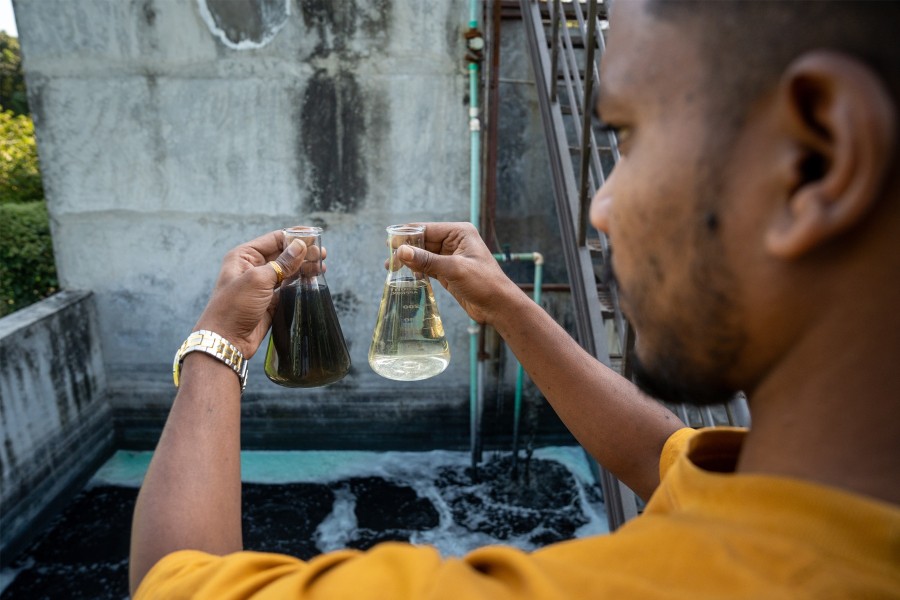
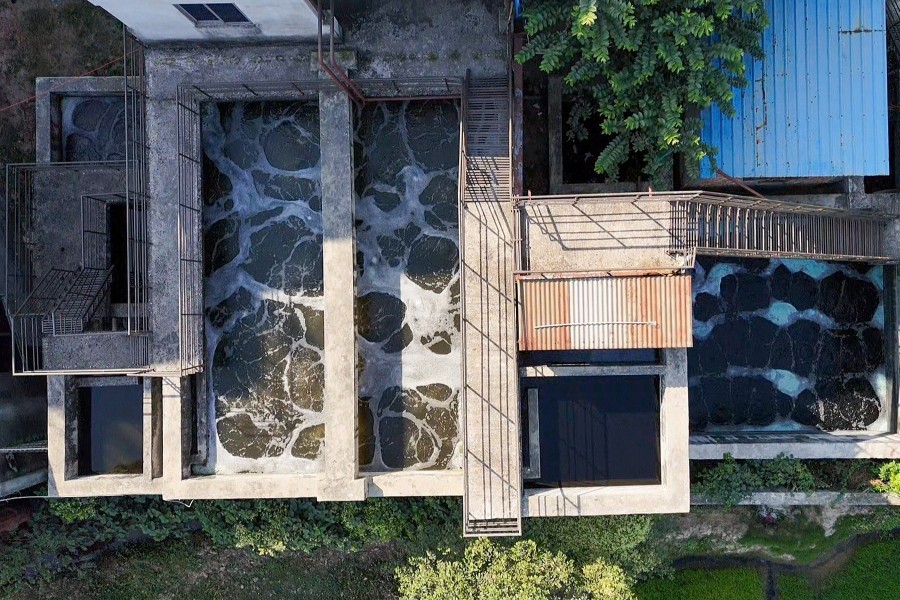
Here is where the the real work starts. I'm stepping into a new role as business coach in the home textiles sector for CBI Transforming Trade Together, a Dutch public sector programme. Our focus is clear: making dyeing processes more sustainable across the entire manufacturing spectrum. That means working with small rural craft communities, medium-sized handcraft exporters, and large industrial facilities - each with distinct needs, but all facing the same challenge of wastewater treatment, wet processing improvements, and responsible chemical management.
This isn't just about technical improvements. We're working together with government bodies, development programmes, knowledge institutes, and technical experts to develop solutions that actually function within Bangladesh's economic and infrastructural realities. Solutions need to be accessible, scalable, and economically realistic - or they won't be adopted.
Once those sustainable systems are in place, we move to the next phase: guiding small and medium manufacturers in developing product ranges specifically designed for the European market. New, exciting, compliant products at the right price points. Export-ready collections that meet regulatory standards, tell authentic stories, and match changing consumer expectations around transparency and responsibility. This dual focus - sustainable production processes and compliance-ready products - positions these manufacturers to meet both current regulations and future EU requirements, including extended producer responsibility and digital product passports.
Where you - importer - come in
This project only works if it is built on collaboration. We need your input from the start - not as passive buyers, but as active partners in shaping what emerges from this initiative.
Here is what we are offering:
- Clarity in compliance: we guide manufacturers in meeting legal sustainability standards, prepare them for meeting EU green deal requirements and identify certification opportunities. So you work with suppliers who already understand what you need, and are ready to collaborate with you.
- Co-creation opportunities with suppliers: early access to product development, influence over design direction, and direct relationships with manufacturers who understand your brand's needs.
- Guidance in finding the right partners: we know the landscape, the capabilities, and the people. We can connect you to suppliers whose strengths match your collection requirements.
- Effective communication: bridging the gap between maker and market means translating production realities into design language, and buyer expectations into workable manufacturing processes.
By joining in now, you're not just sourcing products — you're helping to build a more sustainable, transparent, and fair supply chain that meets today's standards and is ready for tomorrow's regulations. You're positioning your brand within a collaborative movement that's reshaping how home textiles are made and traded. And you're securing a stronger market position for your brand!
Join the transformation
We are looking for brands, importers, and retailers who are already working with Bangladeshi suppliers or are genuinely interested in exploring new partnerships. If you are ready to move beyond transactional sourcing relationships and invest in building something better, we would like to hear from you.


Webinar Opportunities Home Textiles & Decoration Bangladesh
November 24, 2026 10.00 - 10.45 CET
For importers, retailers and brands, Irene is organising a webinar in which you will discover everything about:
- the product categories, materials, production techniques offered by suppliers from Bangladesh
- the sustainability improvements and certifications these manufacturers are working towards
- the opportunities for co-creation with these exporters
- what a partnership can offer you as an importer
- the CBI Home Textiles programme, and how we can support you
Join us free of charge and with no obligation — and bring your questions!